






















Is fiber good for COVID-19?
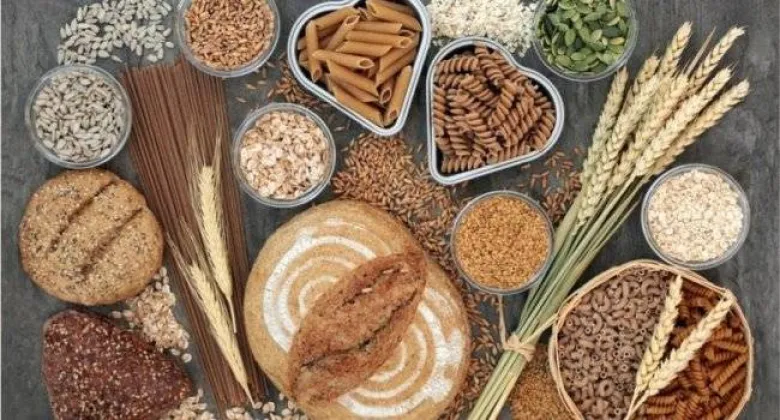
Compounds produced by the gut microbiota during the fermentation of insoluble fiber from plant foods do not interfere with the SARS-CoV-2 coronavirus's ability to enter and multiply in intestinal cells, Brazilian experts noted.
The study, published in the journal Gut Microbes, also showed that while in vitro treatment of cells with these molecules did not significantly affect local tissue infection, it reduced the expression of a gene that plays a key role in viral cell entry and a cytokine receptor that promotes inflammation.
As part of the study, healthy colon tissue and epithelial cells were infected with SARS-CoV-2 in a laboratory and underwent a series of tests. As it turned out, the viral load did not decrease and was the same in cells and tissues treated with short-chain fatty acids, and in untreated samples.
However, the treated intestinal biopsy specimens showed a significant decrease in the expression of the DDX58 gene, the innate immune system receptor that detects viral nucleic acids and activates the signaling cascade leading to the production of pro-inflammatory cytokines, and the interferon lambda receptor, which mediates antiviral activity. A decrease in the expression of the TMPRSS2 protein, which is important for penetration into viral cells, was also observed.
 Unibank Issues Perpetual Bonds with a 13.25% Annual Yield for Shareholders
 An unforgettable day instead of toys: June 1st guide from Idram&IDBank
 With IDBank’s Support, Ian Gillan and Tony Iommi Awards Established at Gyumri Music School No. 6
 On May 30, "Unisport" will compete for the title of the Armenian champion
 Unisport Crowned Armenian Futsal Premier League Champion
 Unibank has launched instant transfers by phone number
 Ameriabank Won in 4 Categories at AMX Awards 2026
 Simple Talks: A Fresh Take on Finance with AraratBank
 Idram Becomes a Partner of “Little Mher”