






















WHO: Indian strain of COVID-19 resistant to antibodies
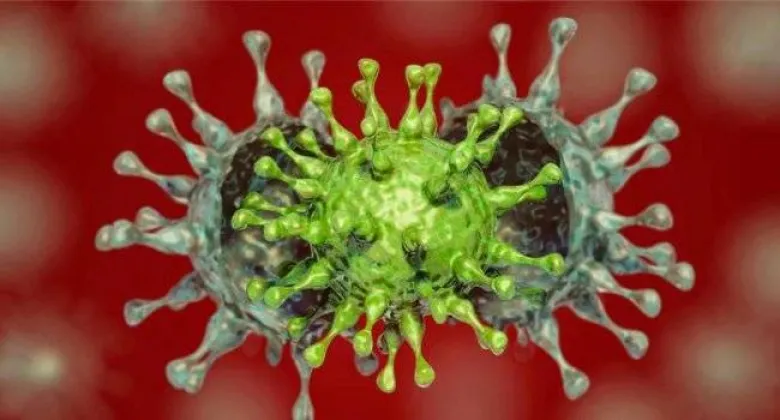
Mutations of the Indian strain of COVID-19 indicate its high infectivity and resistance to antibodies in both those who have been ill and vaccinated, the World Health Organization reported.
New varieties of the virus have been discovered in India, including B.1.617. It is a variant with mutations E484Q and L452R that was first identified in India from samples collected on December 1, 2020.
According to preliminary research results, the L452R mutation may interfere with the effectiveness of certain monoclonal antibody treatments. E484Q can neutralize antibodies. Thus, the antibodies that have appeared in a person who has recovered from COVID-19 will not help in the fight against Indian mutations.
Moreover, the new strain is also thought to be highly virulent, which means it is more likely to infect and cause disease.
WHO experts have not yet figured out what influenced the virus mutations in India. One of the factors could be the holding of mass events that increased its spread, as well as the mitigation of antiquated measures in the country.
 Unibank will not increase fixed-adjustable interest rates on loans secured by real estate
 IDBank Presented It’s Vision for Social Responsibility at Impacture 2026
 Unibank Issues Perpetual Bonds with a 13.25% Annual Yield for Shareholders
 With IDBank’s Support, Ian Gillan and Tony Iommi Awards Established at Gyumri Music School No. 6
 Unisport Crowned Armenian Futsal Premier League Champion
 Unibank has launched instant transfers by phone number
 An unforgettable day instead of toys: June 1st guide from Idram&IDBank
 On May 30, "Unisport" will compete for the title of the Armenian champion
 Idram Becomes a Partner of “Little Mher”