






















Zinc deficiency may increase risk of severe COVID-19, study claims
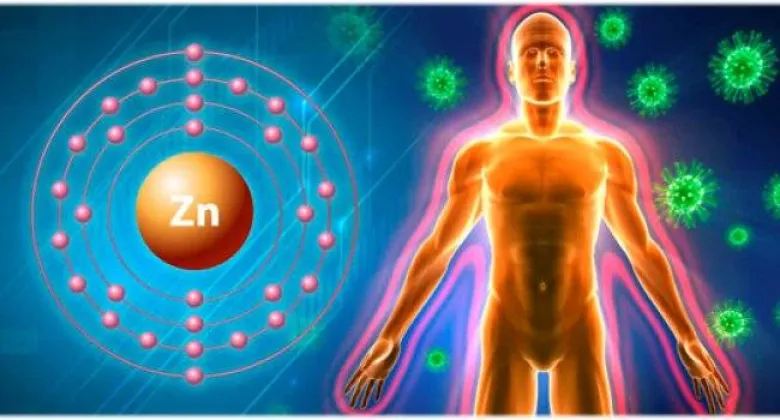
inc deficiency can increase the risk of severe COVID-19, scientists from the University Hospital in Marseille (France) noted.
They presented the results of their new study in the journal Clinical Nutrition.
Zinc deficiency may be linked to a higher susceptibility to infections. The authors of the new study assessed the prevalence of early-stage COVID-19 hypocincaemia, its association with risk factors for severe COVID-19, and its predictive value for hospitalization for respiratory complications within 10 days.
152 patients with COVID-19 and 88 patients without COVID-19 admitted to screening centers were evaluated for early prognosis of severe disease. Hypocycaemia was more common in patients with COVID-19 compared with patients without a corresponding infection (27.6% versus 11.4%). Moreover, a higher risk of zinc deficiency was in elderly patients (65 years). The lack of zinc, as it turned out, was indeed associated with the worst prognosis for severe infection and hospitalization for respiratory complications within 10 days.
 Unibank Issues Perpetual Bonds with a 13.25% Annual Yield for Shareholders
 An unforgettable day instead of toys: June 1st guide from Idram&IDBank
 With IDBank’s Support, Ian Gillan and Tony Iommi Awards Established at Gyumri Music School No. 6
 On May 30, "Unisport" will compete for the title of the Armenian champion
 Unisport Crowned Armenian Futsal Premier League Champion
 Unibank has launched instant transfers by phone number
 Ameriabank Won in 4 Categories at AMX Awards 2026
 Simple Talks: A Fresh Take on Finance with AraratBank
 Idram Becomes a Partner of “Little Mher”